Protect Livestock and Equipment From Temperature Swings
Agricultural Insulation in Norwich for barns and storage facilities with moisture buildup and uneven temperatures
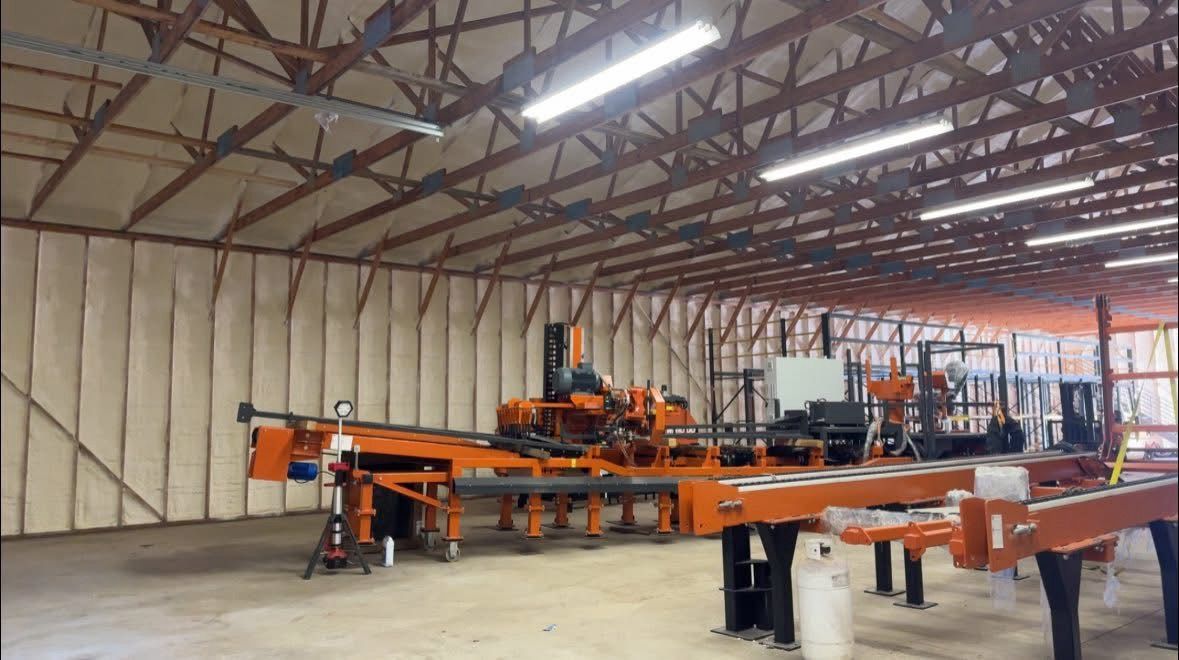
Supreme Seal Spray Foam provides agricultural insulation for barns, livestock buildings, equipment storage, and farm structures throughout New York and surrounding areas. Agricultural buildings face demands that other structures do not. Buildings housing animals need stable temperatures and controlled moisture to protect herd health, while feed and equipment storage requires protection from condensation that leads to rust, rot, and spoilage. In uninsulated metal and pole barn structures, temperature swings cause condensation to form on interior surfaces, dripping onto livestock, hay, and machinery below.
Closed-cell spray foam insulation is the most effective solution for agricultural buildings. It seals irregular framing and metal panel gaps that traditional insulation cannot address, creates a moisture barrier that stops condensation at its source, and adds structural strength to the building itself. Spray foam also stands up to the humidity and washdown conditions common in livestock operations, and it does not sag, settle, or provide nesting material the way batt insulation can.
How the Process Works on Farm Properties
Supreme Seal Spray Foam works directly with farm owners to determine the right insulation thickness and application method based on how each building is used. A calf barn, a dairy facility, a workshop, and a hay storage building all have different requirements, and each project is tailored to the building's purpose. Installation is scheduled around your operation, and work in buildings housing animals is coordinated to keep disruption to daily routines at a minimum. If you want to protect your animals, equipment, and stored feed while making your buildings usable year-round, request a free estimate to discuss your project and scheduling.
Once installed, spray foam insulation immediately improves building performance. Interior temperatures become more stable, condensation stops forming on insulated surfaces, and heating costs for conditioned agricultural spaces are reduced. We also insulate new agricultural builds, where sealing the envelope during construction delivers the best long-term result. This service focuses on insulation and air sealing and does not include structural repairs, electrical work, or ventilation system installation. Proper ventilation remains important in livestock buildings, and any existing damage should be resolved prior to application to ensure proper adhesion and long-term performance. For many farm buildings throughout New York and surrounding areas, spray foam insulation significantly improves durability, efficiency, and the protection of everything inside.
Questions About Insulating Farm Buildings
Farm owners often ask how insulation affects animal welfare, what foam types work best in different structures, and how long the material lasts under agricultural conditions.
What types of farm buildings benefit from spray foam insulation?
Barns housing dairy cattle, poultry coops, equipment storage buildings, and feed storage areas all see improved temperature stability, reduced moisture problems, and lower energy costs after foam installation.
How does insulation help with moisture control in barns?
Spray foam blocks air leakage that carries humid interior air to cold surfaces, which prevents condensation and the mold, rust, and rot that follow when moisture accumulates on walls and ceilings.
Why is spray foam better than fiberglass in agricultural settings?
Spray foam resists moisture, does not sag or compress, and creates an air seal that fiberglass cannot match, which makes it more durable and effective in barns where humidity and physical wear are constant.
How long does agricultural insulation last?
Closed-cell spray foam remains effective for decades without maintenance, and it does not degrade from exposure to temperature swings, dust, or the typical impacts and abrasion found in working farm buildings.
What temperature difference can I expect in Norwich after insulating a barn?
You can expect interior temperatures to stay 10 to 20 degrees warmer in winter and cooler in summer compared to uninsulated structures, which reduces stress on livestock and heating systems.
Supreme Seal Spray Foam serves farms across Norwich with insulation solutions built to handle the demands of agricultural life. Schedule an inspection to see how upgraded insulation can improve conditions and reduce costs on your property.