Fill Gaps and Boost Efficiency Quickly
Blown-In Insulation in Norwich for attics with uneven coverage and rising energy bills
Supreme Seal Spray Foam provides blown-in fiberglass insulation for attics, walls, and hard-to-reach areas in homes throughout New York and surrounding areas. Blown-in fiberglass is the workhorse for attic floors on new builds, remodels, and additions, and we also offer it for homeowners looking to upgrade existing attic coverage. In cold climates like Upstate New York, heat loss through poorly insulated attics can lead to ice dams, uneven temperatures, and increased strain on your heating system.
Blown-in fiberglass insulation is a cost-effective solution designed to improve energy efficiency without major renovations. Using specialized equipment, insulation is installed into attic floors and wall cavities, filling gaps around joists, wiring, and ductwork. This creates a more complete thermal barrier compared to traditional batt insulation, helping reduce heat loss and improve overall comfort.
This method is ideal for new construction attics, remodel and addition projects, and adding coverage to areas that are difficult to reach. The process is minimally invasive, allowing insulation to be installed in enclosed walls and tight spaces without extensive demolition. Once installed, blown-in fiberglass helps maintain steady indoor temperatures, improves HVAC efficiency, and can contribute to lower monthly energy costs.
If you are looking to improve your home's comfort and energy performance, Supreme Seal Spray Foam offers free estimates to help determine the right insulation solution for your space and budget.
What the Installation Involves and What You Will Notice
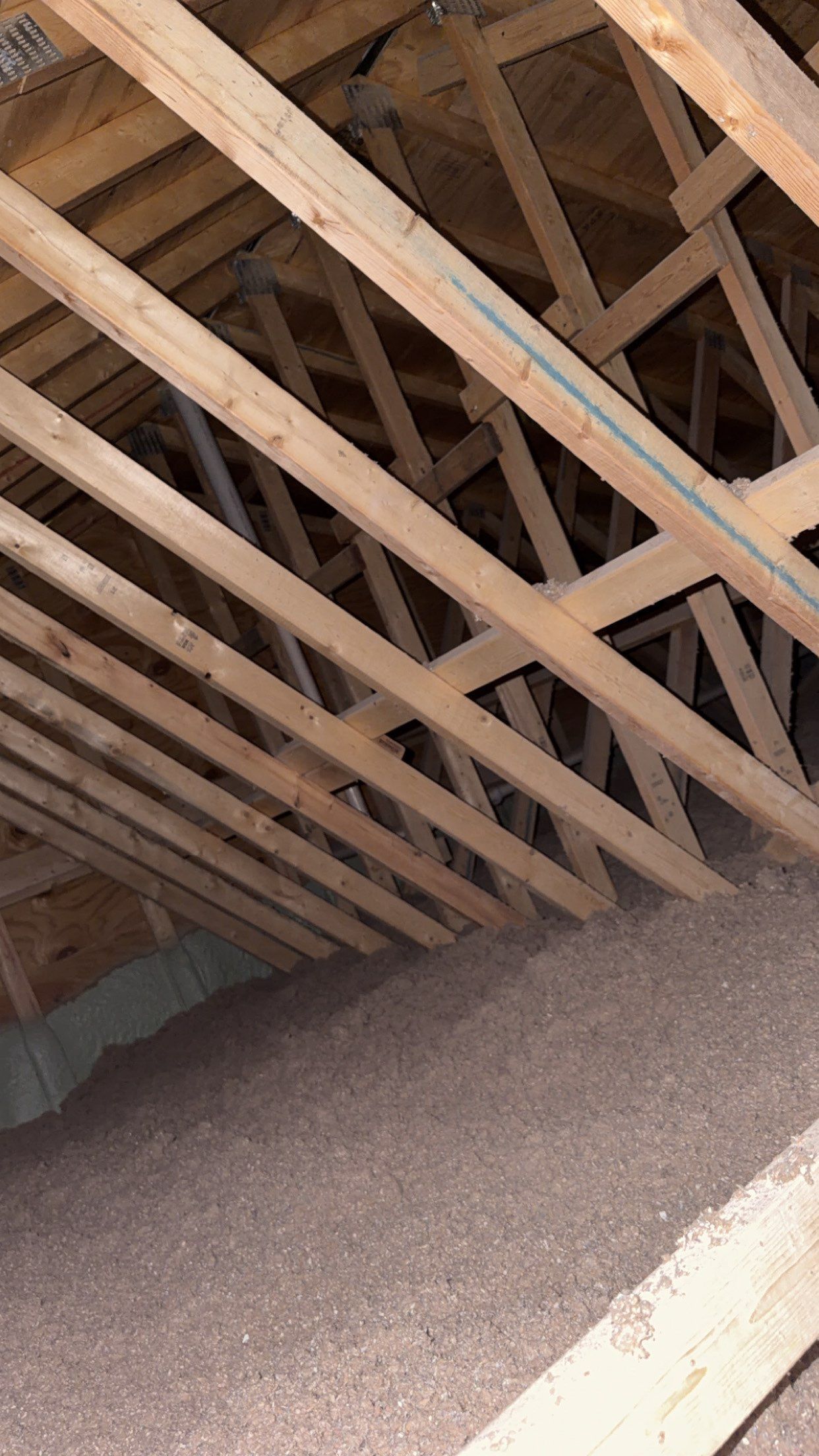
Our process starts with a detailed measurement of your attic or wall cavities to determine the correct insulation levels for your home. We calculate the recommended R-value based on New York building standards, typically R-49 to R-60 for attics in our climate, accounting for your existing insulation and your heating system. Using professional-grade, truck-mounted equipment, blown-in fiberglass insulation is applied evenly through a hose system, allowing our team to fill gaps, level out thin areas, and achieve consistent coverage across the entire space.
Blown-in insulation installation is fast and minimally invasive, with most attic projects completed in just a few hours. The material is designed to reach tight and irregular spaces that traditional insulation cannot, improving overall thermal performance without major disruption to your home.
After installation, homeowners typically notice immediate improvements in comfort. Rooms feel warmer, drafts are reduced, and heating systems operate more efficiently because conditioned air stays inside longer. By reducing energy loss, blown-in fiberglass insulation can help lower monthly utility bills while maintaining a stable indoor environment. The material settles into place without significant compression, resists moisture, and provides long-lasting performance with little to no maintenance.
This service also includes air sealing around common attic penetrations such as recessed lighting, plumbing vents, and chimney gaps to prevent air leakage that reduces insulation effectiveness. If the existing material has been contaminated by pests or moisture, our insulation removal service clears the space so new material can perform properly. While insulation upgrades do not include structural repairs, roofing work, or ventilation modifications, improving attic insulation can help reduce the risk of ice dams and support better overall home efficiency.
Questions About Blown-In Fiberglass Insulation
Homeowners often ask how blown-in insulation compares to other options, how installation works in different spaces, and what results to expect after the upgrade.
What is blown-in fiberglass insulation made from?
Blown-in fiberglass consists of finely spun glass fibers that are loosely packed and blown into place, where they fill gaps and conform to irregular surfaces without the need for cutting or fitting.
How does blown-in insulation improve energy efficiency?
The material fills voids around framing, wiring, and ductwork that batts cannot cover, which reduces air movement and heat loss through the attic, and lowers the demand on your heating system.
Why choose blown-in fiberglass over spray foam?
Blown-in fiberglass costs less per square foot, installs faster in open attics, and provides effective thermal resistance for homeowners in Norwich who need a budget-friendly upgrade without air sealing requirements that only foam can meet.
How long does blown-in insulation last?
Blown-in fiberglass maintains its R-value for 20 to 30 years or more, does not settle significantly, and remains effective as long as the attic stays dry and free from pest damage.
What R-value should my attic have after installation?
Building codes in New York typically require R-49 to R-60 in attics, which translates to roughly 13 to 16 inches of blown-in fiberglass, depending on the product used and existing insulation depth.
Supreme Seal Spray Foam serves homeowners across Norwich with blown-in insulation systems that deliver measurable energy savings and improved comfort. Contact the team to schedule a free estimate and find out how much insulation your attic needs.